Wallpapering in Teesside
Wallpapering in Teesside costs £150 to £350 a room in labour in 2026, with paper supplied separately: walls stripped and made good first, lining paper where the plaster demands it, then hanging with the pattern matched and seams tight.
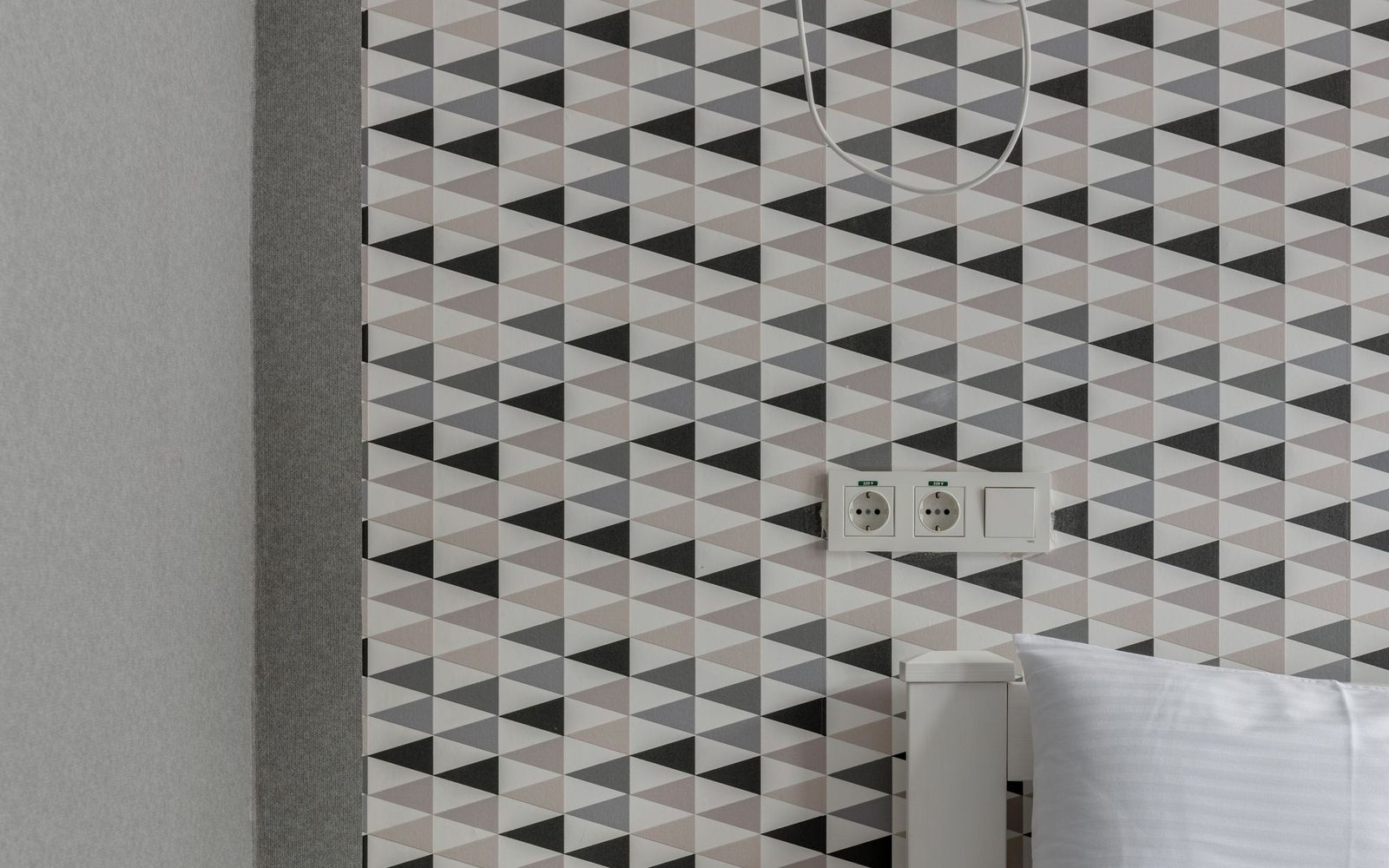
Paper is back, and it is unforgiving
Feature walls behind beds, panelled and papered chimney breasts, patterned hallways in the older terraces: wallpaper has returned to Teesside homes in a big way. It is also the least forgiving finish in decorating. A wall that would take emulsion happily will show every hollow and bump through a flat paper, and a pattern hung a few millimetres out reads as wrong from the doorway even if nobody can say why.
What the price covers
- Stripping the old paper: steaming or soaking, then scraping back to sound plaster, plus washing off residual paste.
- Making the wall good: filling, sanding and sizing, so the paper sticks and the surface reads flat under a plain finish.
- Lining where needed: cross-lining rough or patched plaster before the finish paper, which is common in older Teesside houses.
- Hanging: pattern matched across drops, seams butted tight, cuts clean around sockets, switches, coving and window reveals.
What moves the price
Pattern repeat is the first factor. A plain or textured paper hangs fast; a large repeat wastes a chunk of every roll and adds time on every drop. Room shape is next, and chimney breasts, alcoves, dormers and sloping ceilings all multiply the cutting. Then there is what is already on the wall: two or three layers of old vinyl over painted plaster can take a full day to strip and repair before hanging even starts. Paper type matters as well, since heavy embossed and delicate hand-printed papers both slow things down, in opposite ways.
Buying the paper
Labour and materials are usually separated, so you choose and buy the paper. Two habits save money and grief. Order every roll in the same batch number, because dye lots differ visibly under Teesside's grey daylight. And order one roll more than the calculation suggests, since a mid-job reorder in a different batch is the classic way a good hanging job goes wrong. Take the room measurements and the pattern repeat with you and the shop will work the quantity out.
Paper or paint?
For a whole room the honest answer is often paint plus one papered wall: cheaper, easier to change, and it keeps the pattern where the eye lands. For hallways and stairwells with knocked-about plaster, a good lining paper then paint gives a far better surface than emulsion straight onto patched walls. The interior painting page covers the painted route and the cost guide compares them.